Comparing Probability Spreads Between Standard Dice and Cards
7 November 2026 | 49
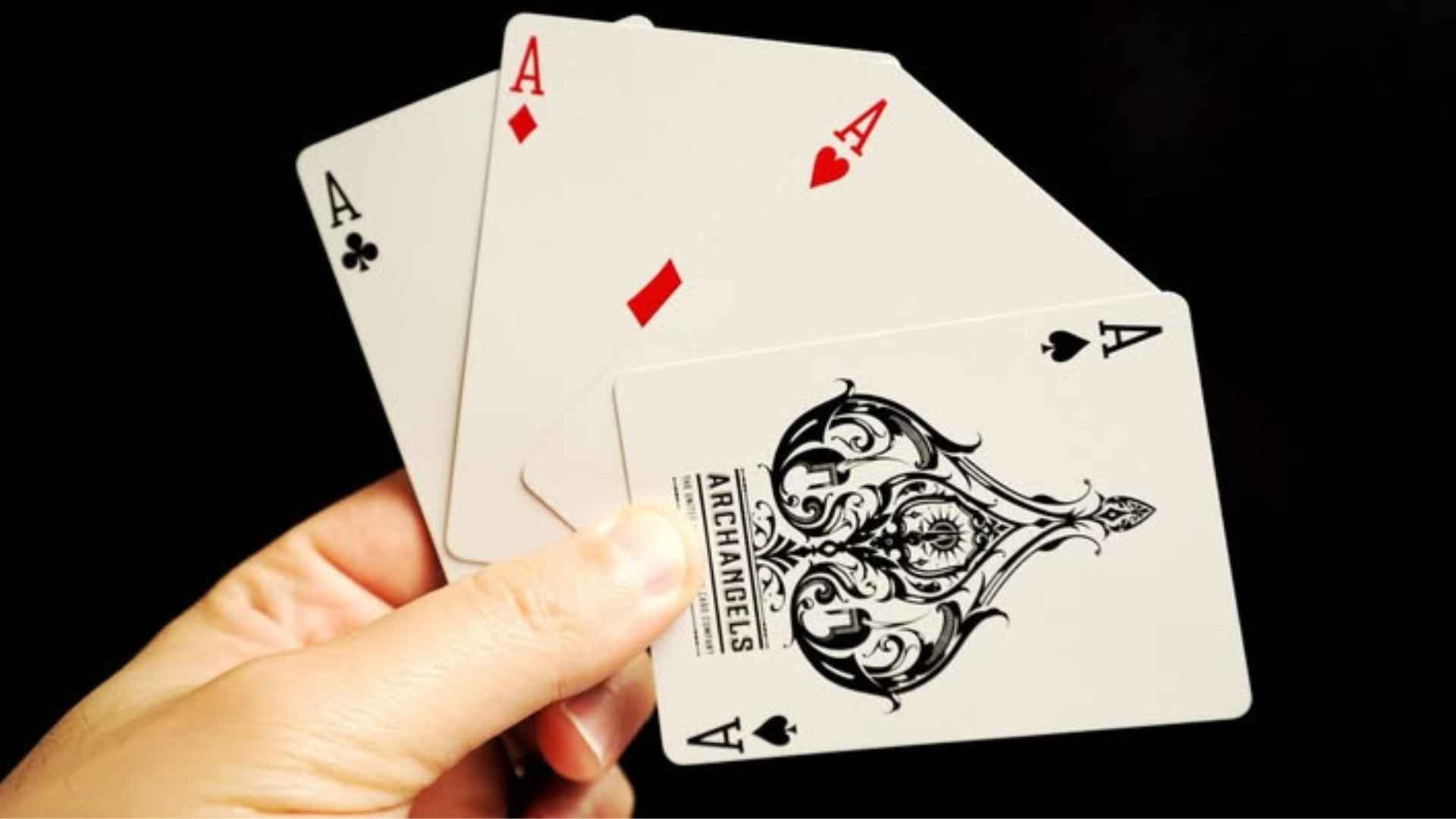
Understanding mathematical probability in tabletop and card games provides essential insights into game balance and strategic planning. While both standard six-sided dice and traditional playing cards introduce controlled randomness, the structural differences in how they generate outcomes produce vastly distinct probability spreads. Analyzing these differences helps players evaluate risk and enables game designers to craft more engaging tactical systems.
Independent Rolls Versus Dependent Card Draws
The primary mathematical distinction between dice and playing cards lies in memory and independence. Every roll of a standard die is an independent event, meaning prior rolls have zero physical impact on future outcomes. No matter how many times a six is thrown, the odds of rolling another six remain exactly one in six on the next turn.
Conversely, drawing cards from a deck represents a dependent system where each action alters the remaining pool of possibilities. As cards are drawn without replacement, the total deck size shrinks and the remaining distribution shifts dynamically. Players analyzing gaming odds online, including strategic discussions on m88, frequently leverage this dependent probability to estimate future outcomes with increasing accuracy as a match progresses.
Uniform Distributions and Bell-Curve Distributions
A single six-sided die features a uniform probability spread, giving every outcome from one to six an identical sixteen point six percent chance of occurring. However, when multiple dice are rolled simultaneously, the probability spread shifts into a bell-curve distribution centered around median values. For example, rolling two six-sided dice yields a peak seven outcome significantly more often than extreme totals like two or twelve.
Standard card decks allow for highly customized probability spreads depending on how cards are grouped or evaluated. Drawing a single card produces a uniform distribution across fifty-two distinct values, but drawing multi-card hands creates intricate combinatorial probabilities. Unlike dice pools, card decks can be crafted with specific rank frequencies to alter the variance of central and extreme outcomes intentionally.
Managing Risk Across Different Randomness Systems
Because dice rolls are completely independent, risk management in dice-heavy games revolves around calculating static statistical odds. Players must accept that bad luck can persist over multiple consecutive turns without any inherent corrective mechanism. Strategy in dice games therefore focuses on mitigating bad outcomes and capitalizing on high-probability central totals.
Card-based games allow players to execute long-term strategic planning through deck tracking and counting techniques. Since removed cards cannot be drawn again until the deck is reshuffled, players can systematically narrow down remaining possibilities. This fundamental predictability gives card games a distinct analytical flavor where strategic memory directly influences winning margins.
Designing Balanced Tabletop Experiences
Game creators carefully select between dice and cards based on the specific type of tension they wish to establish. Dice provide immediate sensory excitement, rapid resolution, and persistent unpredictability that keeps match outcomes uncertain until the final moment. This dynamic ensures that even novice players maintain a chance at victory against experienced opponents.
Cards offer subtle tactical depth, resource management, and hidden information mechanics that reward deep strategic familiarity. By blending both randomizers or selecting the appropriate medium, designers establish unique mechanical balances between raw luck and strategic mastery. Ultimately, appreciating these underlying probability spreads enhances player enjoyment across all forms of competitive gaming.