Poker Formats with Unique Winning Conditions
16 July 2026 | 69
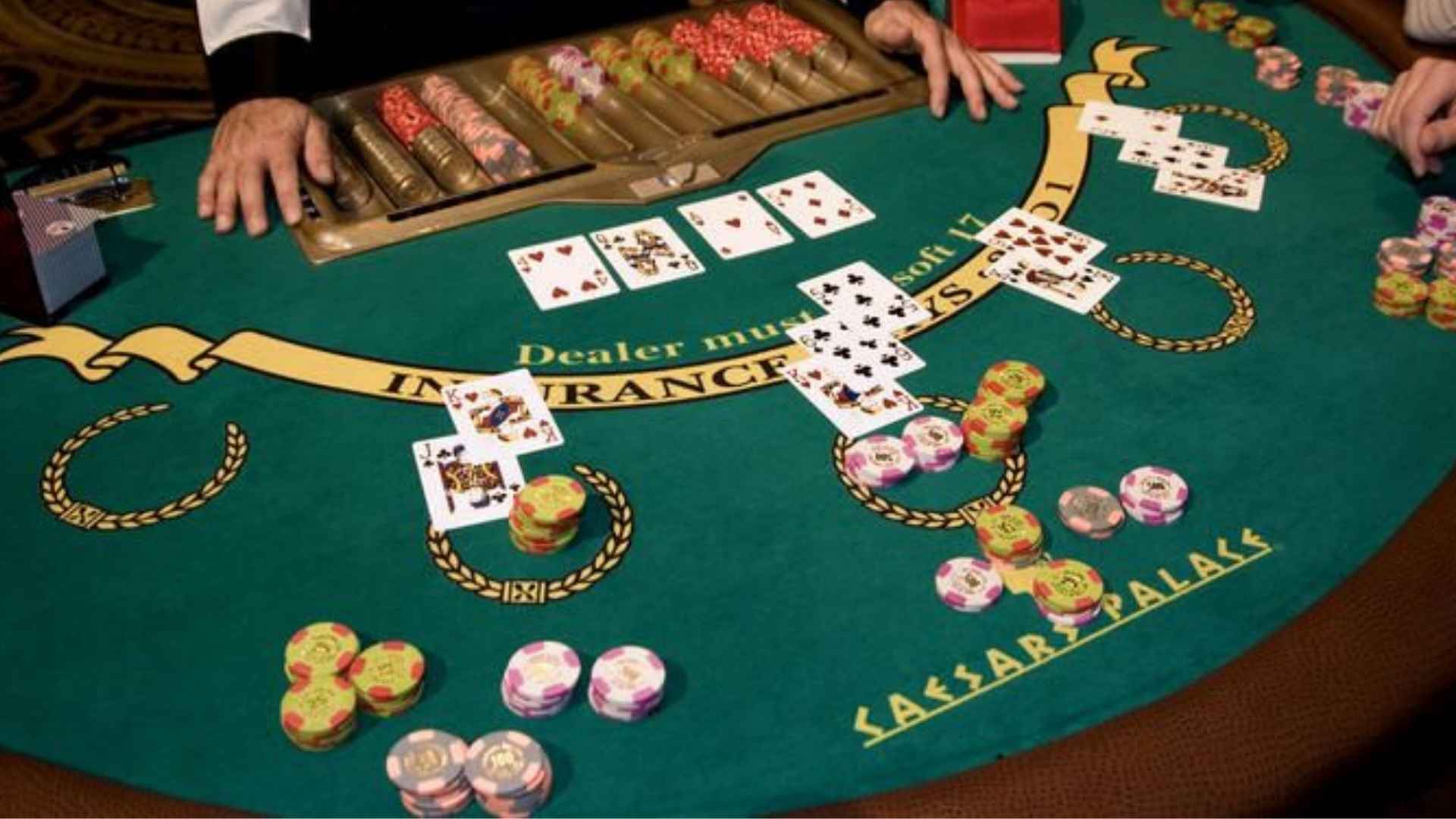
While standard Texas Hold'em focuses on holding the absolute highest hand at showdown, the broader world of poker features fascinating variants with completely different rules. These diverse formats challenge players to adjust their mindsets and learn entirely new ways to claim the pot. Exploring these unique variations can significantly improve your strategic thinking and overall adaptiveness at the tables.
Lowball Variants Where the Worst Hand Wins
In lowball games like Razz or Deuce-to-Seven, the traditional hierarchy of card values is flipped upside down to reward the lowest possible hand. Instead of chasing royal flushes, players struggle to assemble combinations that would be considered completely worthless in standard games. This inversion of winning conditions demands a highly disciplined approach to starting hand selection and aggressive bluffing patterns.
For players who want to test their skills in these unusual formats, participating on a trusted platform like M88 Bet offers excellent opportunities to practice. Mastering lowball strategies can sharpen your overall card-tracking abilities and help you read opponents with much greater accuracy.
Split Pot Dynamics and Dual Objectives
High-Low split games such as Omaha Eight-or-Better introduce a fascinating dynamic where the final pot is divided between two different winners. Players must construct both a high hand and a qualifying low hand to scoop the entire pot. This dual objective creates complex math calculations and forces participants to evaluate their cards from two separate perspectives simultaneously.
Succeeding in split pot formats requires exceptional patience and the discipline to avoid chasing only half of the chips. Players who master the art of scooping both the high and low halves can build massive advantages over less experienced opponents.
The Point Based Strategy of Chinese Poker
Chinese Poker and Open Face Chinese Poker completely eliminate the traditional chip-betting structures found in most community card games. Instead, players receive thirteen cards and must arrange them into three distinct hands that increase in strength from top to bottom. Points are awarded based on how your individual hands compare to those of your opponents, introducing a puzzle-like gameplay mechanic.
This unique format places a massive emphasis on layout precision and risk management rather than psychological deception. It is an ideal game for players who enjoy pure card arrangement strategy and complex mathematical calculations without the pressure of direct bluffing.
Alternative Scoring and Creative Formats
Some exotic variations completely replace traditional betting rounds with alternative scoring systems that reward structural arrangements. These formats focus heavily on card coordination and mathematical probability rather than psychological bluffing or chip management. Engaging with these rulesets allows players to experience the foundational mechanics of card play in a completely fresh and stress-free environment.
Mixed Rotation and the Ultimate Test of Adaptability
Mixed games like HORSE take the challenge to the highest level by rotating through several different poker variants in a single session. Players must adjust their strategies every few hands as the active game transitions between high-only, lowball, and split-pot formats. This constant shifting prevents anyone from relying on a single playstyle and truly determines the most well-rounded competitor.
Navigating these rapid transitions requires deep theoretical knowledge and the emotional control to handle varying levels of volatility. Those who can seamlessly shift their mental frameworks are the ones who consistently dominate mixed-game arenas.